Şişecam’s H1 2026 Numbers Tell Two Stories: Revenue Down, but Production and Expansion Plans Full Steam Ahead
The Turkish glass giant is investing through the downturn, with new capacity coming online in Europe, Türkiye, and India even as top-line numbers soften
Şişecam’s first-half 2026 financial results paint a picture familiar to a lot of manufacturers right now: revenue under pressure from macro conditions, even as the underlying business keeps expanding capacity and output.
The Turkish glass and chemicals major reported net sales of roughly $2.5 billion for the first six months of 2026, down from the prior year. International sales made up 61% of that total, and the company’s exports reached $464 million over the same period. On the investment side, Şişecam put roughly $250 million into capital projects during H1, a figure that becomes more notable given the revenue headwinds.
CEO Can Yücel attributed the softer numbers largely to conditions outside the company’s direct control. He pointed to persistent global economic uncertainty and continued volatility in both energy and logistics costs as the main drags on the half, along with shifts in global trade routes adding further complexity to the operating environment.
Production Held Up Even as Revenue Slipped
What’s notable in the results is the divergence between financial and operational performance. While architectural glass revenue declined, actual production told a different story: Şişecam increased flat glass output by 8% to 790,000 tonnes over the period, with Turkish operations contributing 63% of that volume and European operations accounting for another 23%.
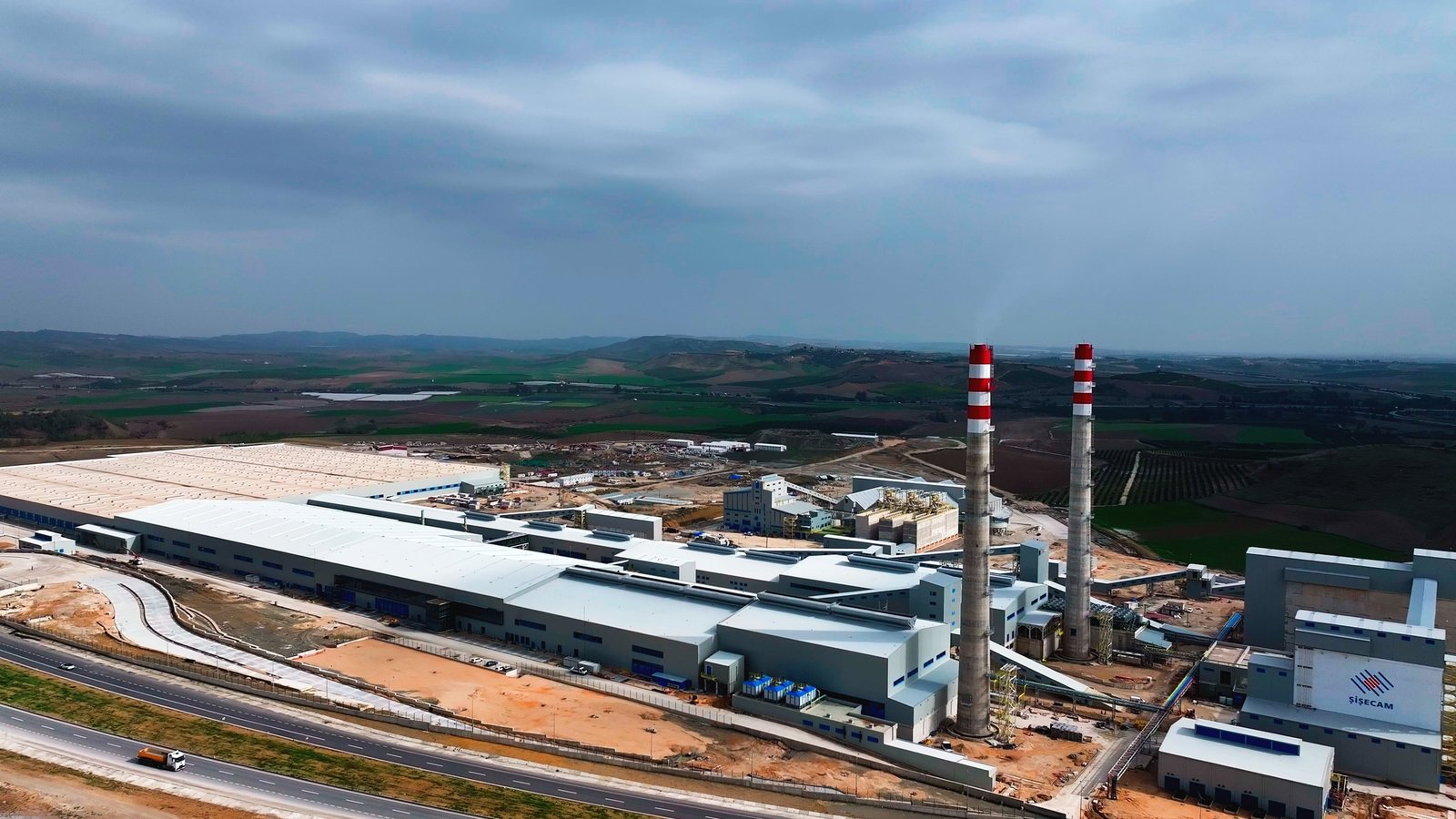
Two things drove the production increase: the restart of the company’s furnace in Northern Italy, and the commissioning of a new flat glass furnace at Şişecam’s greenfield facility in Tarsus, Türkiye. On the sales side, architectural glass volumes ticked up modestly, with domestic sales rising while international sales softened, a split that suggests currency and trade-cost pressures may be weighing more heavily on export volumes than on the domestic Turkish market. Solar glass emerged as the standout growth category, benefiting from new capacity coming online alongside strong domestic demand.
A Full Investment Pipeline
Perhaps the more interesting part of the results is how much Şişecam is building despite the revenue pressure:
Coated glass expansion: The company completed a new coated glass line at Tarsus, adding 7 million square meters of annual capacity and pushing total coated glass capacity up 17% to 48.1 million square meters. That follows earlier coated glass line commissions in Bulgaria and Italy that had already nearly doubled the company’s European coated glass capacity.
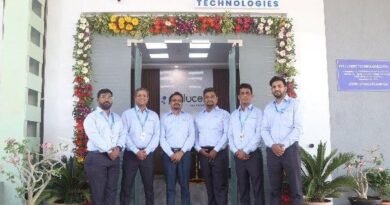
India footprint: Şişecam’s first coated glass line in India, discussed in the company’s earlier announcement about its magnetron sputtering investment, is on track to become operational by year-end, adding 4.5 million square meters of annual capacity and marking the company’s entry into coated glass manufacturing in the Indian market specifically.
Glass packaging in Hungary: The company brought online its first European glass packaging facility, located in Hungary, with a furnace carrying annual gross capacity of 198,000 tonnes. Trial production has already begun.
Soda ash in the US: Şişecam’s Pacific Soda project in the United States is approaching its final permitting stage, though the company is still weighing whether to proceed based on how market conditions develop.
Solar power buildout: The company has nearly doubled its own installed solar capacity, adding a new 20 MW plant in Manisa, Türkiye to bring total capacity to 45 MW. A further 61 MW facility planned for Kars, Türkiye is expected to push total installed solar capacity to 106 MW by year-end.
Looking Ahead
Yücel framed the rest of 2026 around efficiency and resilience rather than aggressive top-line targets, saying the company will keep adapting to market conditions while focusing on initiatives that strengthen long-term competitiveness. He pointed specifically to expanding efficiency programs, growing the share of value-added products in the portfolio, deepening presence in new markets, and continuing to build out sustainability initiatives, alongside a continued focus on strengthening the balance sheet.
For a company investing this heavily in new capacity across four countries during a soft revenue period, the bet appears to be that today’s expansion (particularly in growth markets like India and in value-added segments like coated and solar glass) positions Şişecam to capture upside once broader market conditions stabilize.
Based on Şişecam’s H1 2026 financial disclosures and statements from CEO Can Yücel.