India Weighs Price Floor on Float Glass Imports as Domestic Makers Cite Gas Cost Squeeze
A proposed ₹34,000/tonne minimum import price could reshape competitive dynamics for Asahi India Glass, Saint-Gobain India, and Gold Plus Glass — but the real story is what’s happening to gas prices in West Asia
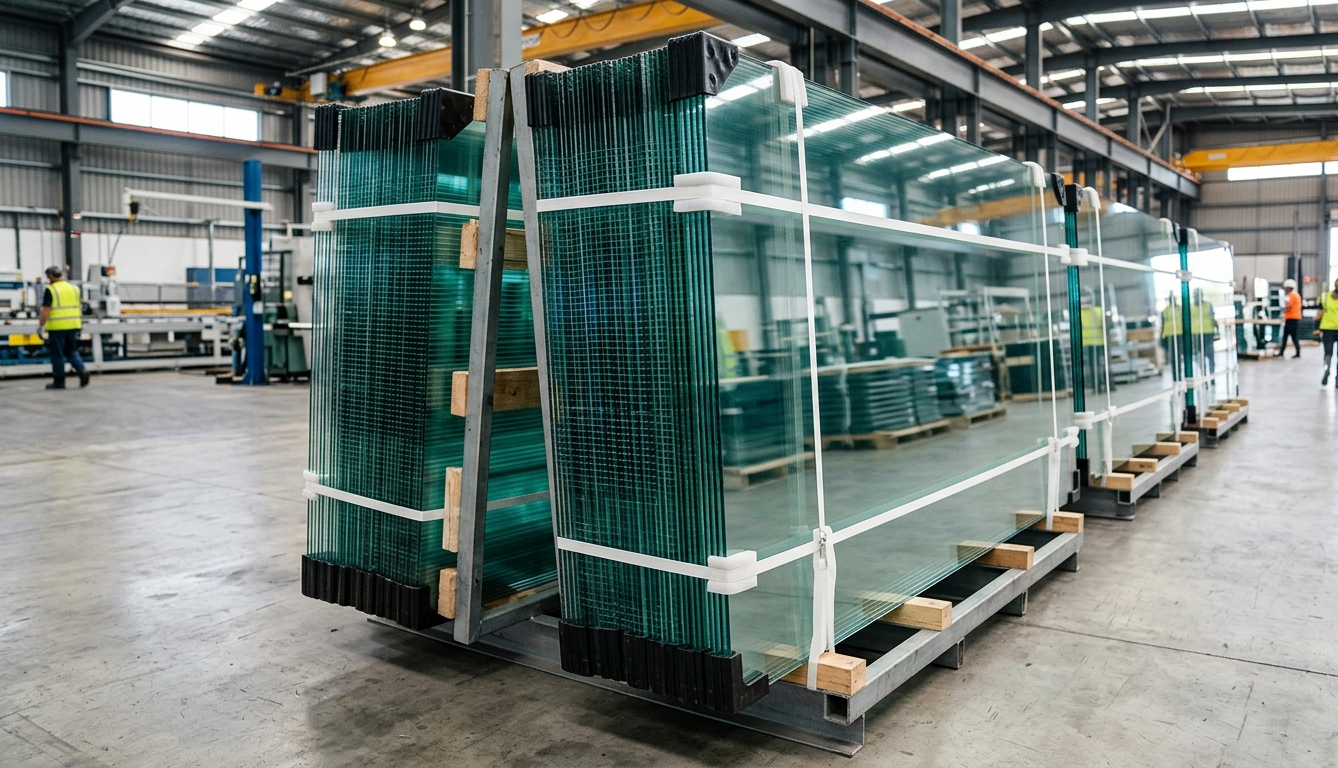
New Delhi is reportedly weighing a fresh trade defense measure for one of India’s most import-exposed manufacturing sectors: float glass. According to reporting by Moneycontrol, the Centre is considering notifying a Minimum Import Price (MIP) of ₹34,000 per metric tonne — a floor price designed to blunt the impact of cheaper glass flowing in from East and Southeast Asia.
If implemented, the move would land as a clear win for India’s established float glass producers — Asahi India Glass, Saint-Gobain India, and Gold Plus Glass chief among them — who’ve spent months lobbying policymakers over what they describe as an unsustainable cost squeeze.
Two Pressures, One Industry
The case domestic manufacturers have been making to the government isn’t really about one problem — it’s about two hitting simultaneously.
On one side: energy costs. Natural gas is a core input for float glass furnaces, which typically run continuously and are expensive to cycle down. Industry voices point to the ongoing West Asia conflict as having disrupted gas supply chains and pushed input costs meaningfully higher — a hit that’s landed hardest in traditional glass-manufacturing clusters. Firozabad, one of India’s oldest glass hubs, has reportedly seen production volumes fall by more than 30%, a contraction with knock-on effects for everything from pharma packaging to beverage bottling to auto components that depend on a steady glass supply chain.
On the other side: import competition. Even with a 10% basic customs duty already in place on raw and clear float glass, industry estimates put landed Chinese float glass at around ₹25,000 per tonne — with Malaysian and Vietnamese material priced similarly. That gap between import cost and domestic production cost is precisely what an MIP is designed to close, by setting a price floor beneath which imports simply can’t legally clear customs.
The Numbers Behind the Push
India’s appetite for imported glass is substantial. The country brings in an estimated $2.1 billion worth of glass and glassware annually, leaning heavily on five source markets — China, Malaysia, Vietnam, Thailand, and Indonesia — for the bulk of that volume.
Domestically, the flat glass market is pegged at roughly 2.75 million tonnes as of 2026, with industry projections pointing to demand climbing toward 3.8 million tonnes in the years ahead. That growth trajectory is part of what’s sharpening the urgency behind the MIP push: manufacturers argue that without price protection now, a larger and larger share of future demand growth could simply be captured by importers rather than domestic capacity.
What an MIP Actually Does
Unlike a tariff hike, which adds a percentage on top of the import value, a minimum import price sets an absolute floor — any glass entering India below ₹34,000/tonne would effectively be blocked or penalized regardless of its country of origin. It’s a blunter but often more effective instrument against sustained low-cost dumping, and it’s been used before in Indian trade policy for sectors ranging from steel to certain agricultural commodities.
For now, the measure remains under consideration rather than confirmed. But with energy costs unlikely to ease quickly given the ongoing geopolitical situation in West Asia, and import volumes continuing to test domestic manufacturers’ margins, pressure on the government to act appears to be building.
Reporting based on information first published by Moneycontrol